Dec 17, 2025
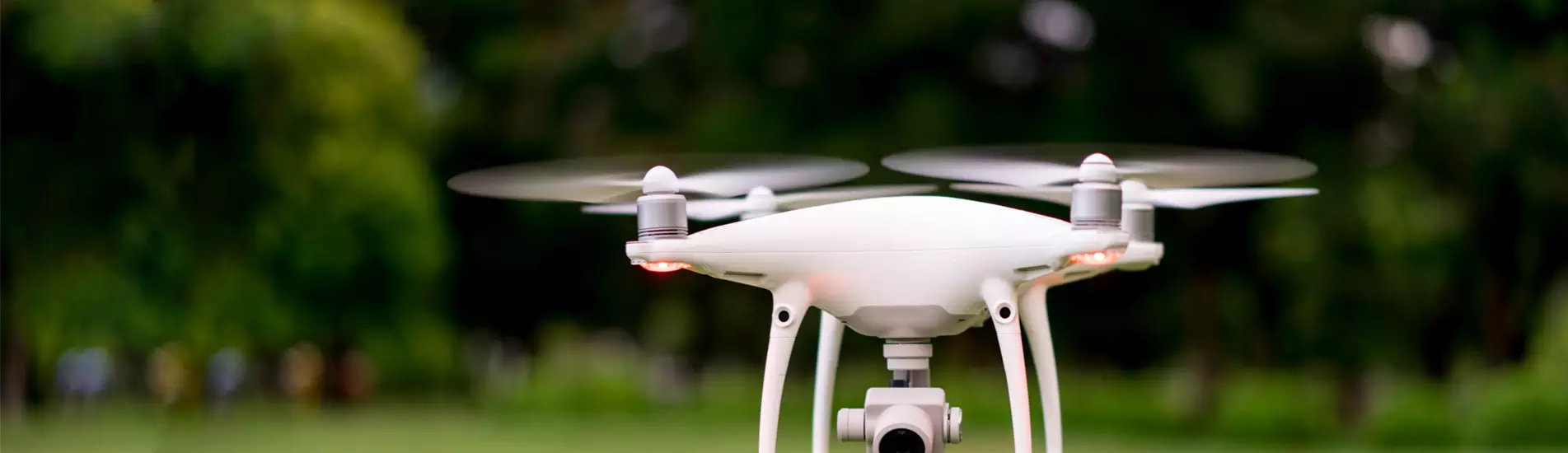
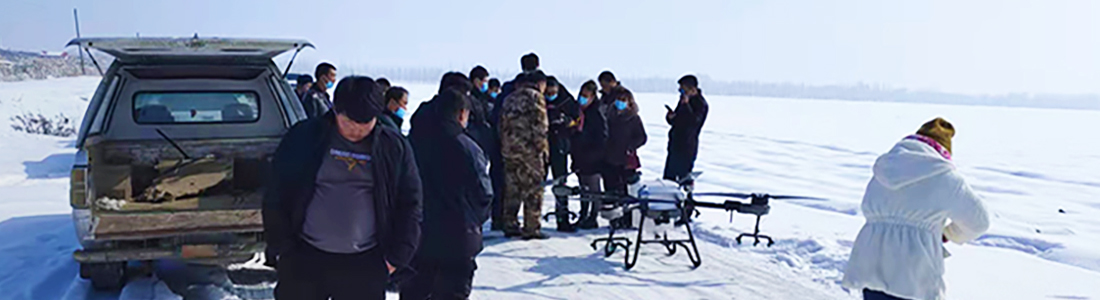
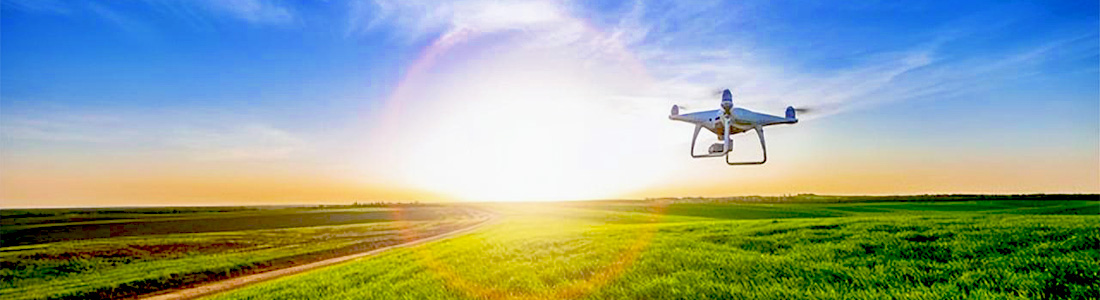
Los recursos naturales son una base material importante para el desarrollo de la sociedad humana y son vitales para mantener el equilibrio ecológico y alcanzar el desarrollo sostenible. Sin embargo, dado que los recursos naturales son vastos y están ampliamente distribuidos, los métodos tradicionales de estudio suelen ser ineficientes y costosos. Mediante un sistema desatendido, se proporcionan soluciones eficientes y precisas para la gestión de los recursos naturales. Gestión de recursos mineralesInspección inteligente: salvaguardando la seguridad de los recursos minerales El desarrollo y la utilización de los recursos minerales requieren una supervisión estricta para prevenir la minería ilegal y el desperdicio de recursos. Detección de minería ilegal en depósitos minerales Combina el radar láser (LiDAR) y una cámara óptica de alta precisión, cámara de inclinación, módulos ópticos duales y otras cargas útiles transportadas por el dron para realizar inspecciones integrales del área minera las 24 horas del día, monitorear las actividades mineras en tiempo real y detectar comportamientos ilegales de manera oportuna. Al mismo tiempo, el dron también puede monitorear el entorno ecológico de la zona minera y evaluar el impacto de la restauración de la mina. La función de inspección automatizada del sistema no tripulado reduce los costos de mano de obra y mejora la eficiencia y la seguridad de la supervisión de la mina. Gestión de recursos forestales y de pastizalesCiencia y tecnología ayudan a proteger la barrera ecológica verde Los bosques y pastizales son los pulmones de la Tierra, y su protección y gestión son de suma importancia. El sistema autónomo combina ortocámaras, LIDAR, cámaras espectrales, cámaras de video, etc., transportadas por vehículos aéreos no tripulados (UAV) para monitorear el estado de crecimiento de los recursos forestales y pastizales, así como las plagas y enfermedades, en tiempo real. Especialmente en la prevención de incendios forestales y la respuesta a emergencias, el UAV puede localizar rápidamente el foco del incendio, evaluar su propagación y proporcionar una base científica para el comando de extinción. La función de monitoreo automatizado del sistema no tripulado permite la supervisión de los recursos forestales y herbáceos en cualquier condición climática y proporciona un sólido soporte técnico para la protección ecológica. Gestión de humedales y reservas naturalesGuardianes de la Tecnología, Tesoros Ecológicos Los humedales y las reservas naturales son importantes portadores de biodiversidad. El sistema no tripulado, combinado con la cámara óptica de alta resolución y la cámara termográfica del dron, puede obtener rápidamente imágenes de humedales y reservas naturales, monitorear los cambios ecológicos y evaluar la eficacia de la protección. La función de inspección automatizada reduce las perturbaciones en las reservas naturales, a la vez que mejora la eficiencia y la precisión del monitoreo, proporcionando una base científica para la gestión y la formulación de estrategias de protección. Gestión de los recursos hídricosTecnología capacitada para proteger la fuente de la vida El uso racional y la protección de los recursos hídricos son parte fundamental de la gestión de los recursos naturales. El sistema autónomo, combinado con sensores multiespectrales y equipos de monitoreo de la calidad del agua transportados por drones, puede inspeccionar ríos, lagos y otras aguas, monitorear los cambios en la calidad del agua y evaluar el desarrollo y la utilización de los recursos hídricos. Permite la supervisión de los recursos hídricos en cualquier condición climática y proporciona datos de apoyo para la gestión de los recursos hídricos. Gestión de recursos marinosLa ciencia y la tecnología ayudan a proteger la tierra azul El sistema autónomo combina cámaras ópticas de alta resolución y equipos de monitoreo marino transportados por drones para patrullar costas y zonas marítimas, monitorear la explotación y utilización de los recursos marinos y evaluar el entorno ecológico marino. La función de inspección automatizada reduce la interferencia con el entorno marino, a la vez que mejora la eficiencia y precisión del monitoreo, lo que facilita la gestión de los recursos marinos. Gestión de la línea roja de las tierras de cultivoGuardias tecnológicos, seguridad alimentaria en el fondo La tierra cultivable es fundamental para la producción de alimentos, y protegerla implica proteger la seguridad alimentaria. El sistema de vigilancia no tripulado combina una cámara óptica de alta resolución y un sensor multiespectral transportado por el dron para realizar inspecciones periódicas de la tierra cultivable y detectar y registrar oportunamente la ocupación y destrucción ilegal de tierras cultivables. Supervisa los recursos de tierras cultivables en cualquier condición climática y proporciona datos para su protección. Monitoreo y supervisión del movimiento de recursos naturalesTecnología potenciada: comprenda con precisión la dinámica de los recursos El estudio y monitoreo de recursos naturales es la base de su gestión. El sistema no tripulado, combinado con el LiDAR y la cámara óptica de alta resolución del dron, permite obtener rápidamente imágenes de alta resolución y generar mapas de distribución de recursos naturales, lo que proporciona una base científica para el departamento de gestión. Al mismo tiempo, combinado con la cámara óptica de alta resolución y la cámara termográfica que lleva el avión no tripulado, inspecciona las actividades de desarrollo y utilización de recursos naturales, descubre y registra violaciones de la ley de manera oportuna, realiza una supervisión en todo momento de las actividades de desarrollo y utilización de recursos naturales y proporciona evidencia concluyente para los departamentos de aplicación de la ley. Restauración Ecológica y Protección AmbientalLa ciencia y la tecnología ayudan a restaurar el agua y las montañas verdes La restauración ecológica es una tarea importante en la gestión de los recursos naturales. El sistema no tripulado combina el sensor multiespectral y la cámara óptica de alta resolución del dron para monitorear el área de restauración ecológica y evaluar su impacto. La función de monitoreo automatizado supervisa las áreas de restauración ecológica en cualquier condición climática y proporciona datos de apoyo para proyectos de restauración ecológica.



 IPv6 network supported |
Mapa del sitio
|
Xml
|
blog
|
política de privacidad
|
Noticias
IPv6 network supported |
Mapa del sitio
|
Xml
|
blog
|
política de privacidad
|
Noticias